
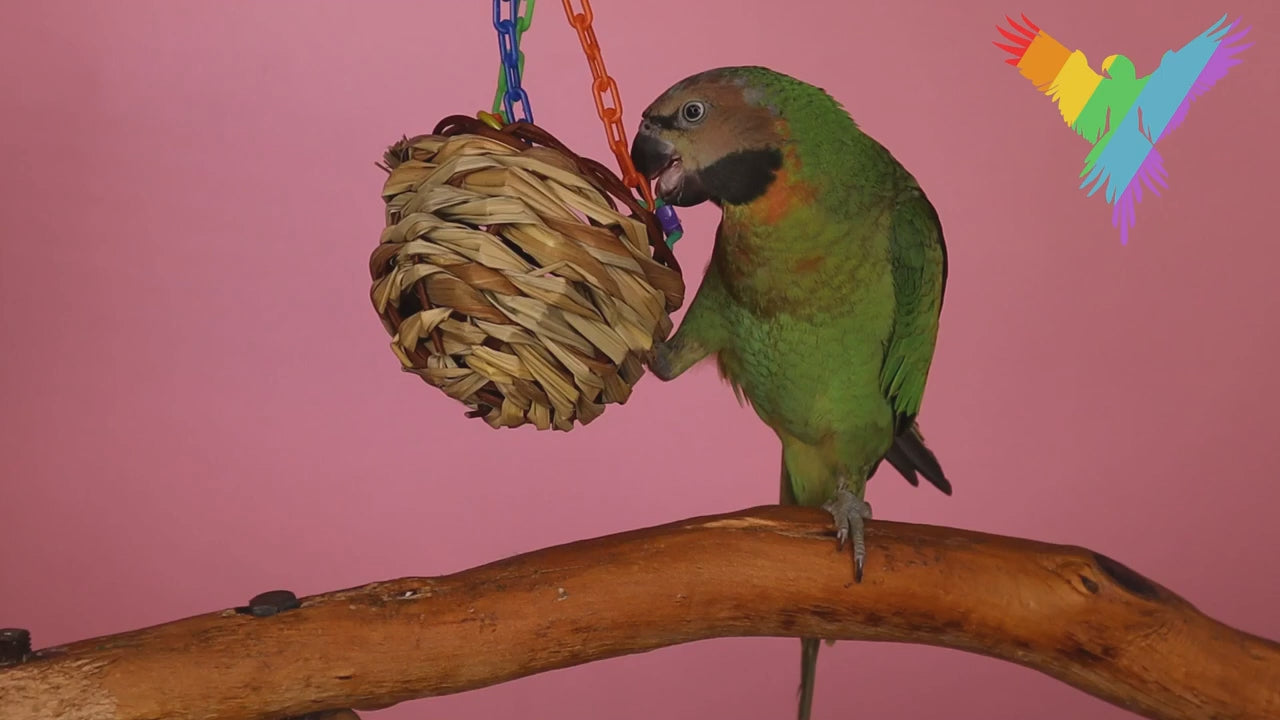
Parakeets, with their vibrant colors and lively personalities, make delightful pets. However, ensuring their health and happiness goes beyond providing a safe environment and companionship. Nutrition plays a pivotal role in their wellbeing. Selecting the right food for your parakeet can be complex, given the myriad of options available. This article aims to guide you through the essentials of parakeet nutrition, offering expert recommendations to help you make informed decisions.
Understanding Parakeet Nutritional Needs
Parakeets require a balanced diet to thrive. Their nutritional needs include:
- Proteins: Essential for growth and repair, proteins should be a core component of their diet.
- Carbohydrates: Provide energy and support overall health.
- Fats: Necessary for energy and the absorption of certain vitamins.
- Vitamins and Minerals: Crucial for various bodily functions including bone health and immune support.
Discover expert strategies here to ensure your parakeet receives a balanced diet.
Types of Parakeet Food
Seed Mixes
Seed mixes are a common choice for parakeet owners. They often contain a variety of seeds such as millet, canary grass seed, and sunflower seeds. While seeds are a favorite among parakeets, they should not be the sole diet as they can lead to nutritional imbalances.
Learn about our tailored solutions for seed mixes here.
Pellets
Pellets are formulated to provide balanced nutrition and are often recommended by avian veterinarians. They prevent selective eating, ensuring your parakeet consumes all the nutrients they need.
Explore advanced guides and tips on pellet feeding here.
Fresh Fruits and Vegetables
Incorporating fresh fruits and vegetables into your parakeet’s diet is important. They provide essential vitamins and minerals. Suitable options include:
- Apples (without seeds)
- Carrots
- Broccoli
- Spinach
Find out more about this approach to feeding fresh produce here.
Feeding Tips and Considerations
Consistency and variety are key in maintaining a healthy diet for your parakeet. Consider the following tips:
- Maintain a consistent feeding schedule to help regulate their metabolism.
- Avoid over-reliance on seed mixes to prevent obesity and other health issues.
- Ensure fresh water is available at all times.
- Introduce new foods gradually to monitor for any adverse reactions.
For more detailed feeding strategies, explore advanced guides here.
Conclusion
Providing the best nutrition for your parakeet is a fundamental aspect of responsible pet ownership. By understanding their dietary needs and exploring various food types, you can support their health and longevity. For a comprehensive look at dietary options and expert recommendations, learn more about our tailored solutions.
