
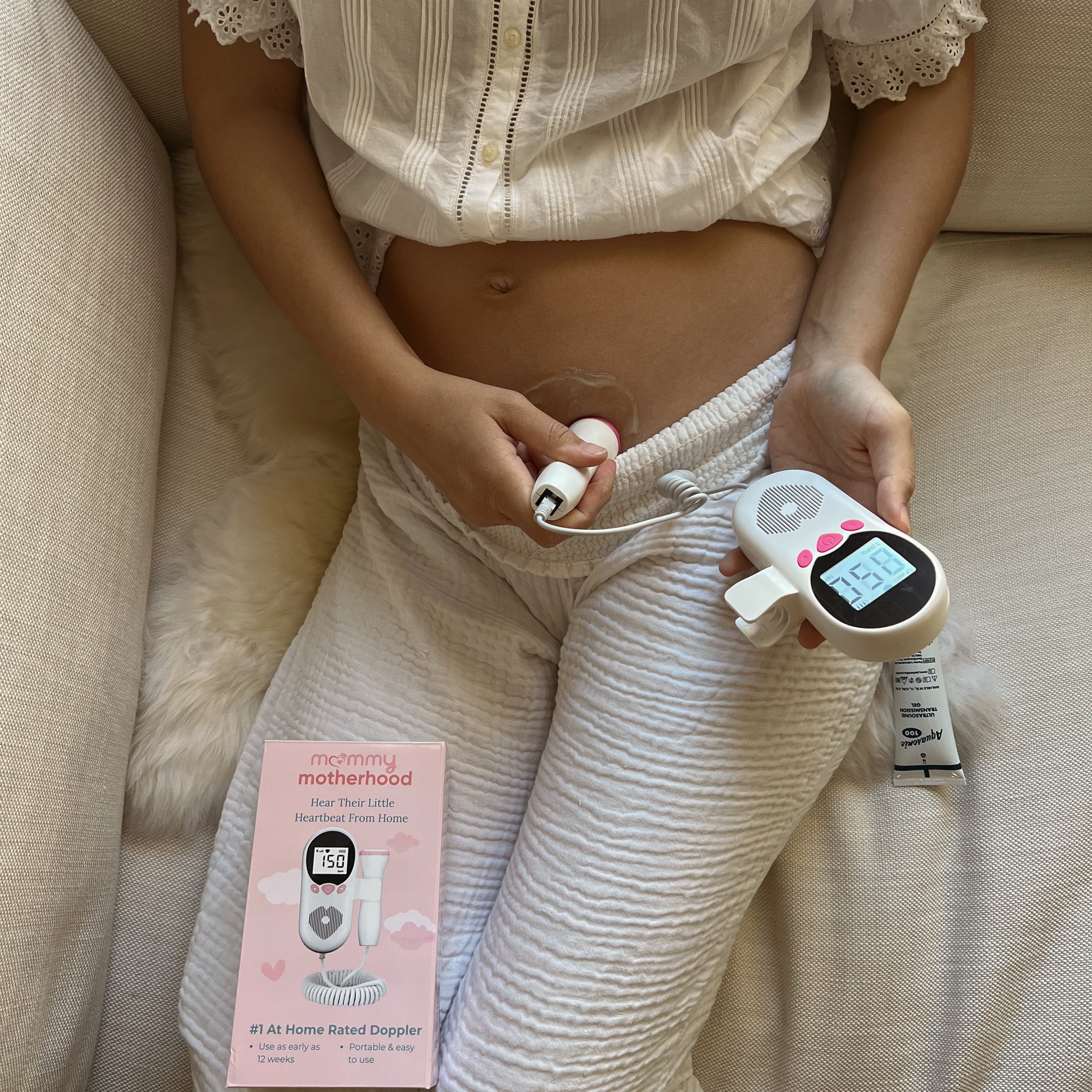
Expecting a baby is a thrilling journey filled with anticipation and curiosity. Among the many tools available to help parents connect with their unborn child, the Baby Heartbeat Doppler stands out. This device allows expectant parents to listen to their baby’s heartbeat in the comfort of their own home. As with any new technology, many questions arise about its use, effectiveness, and safety. This article aims to address common questions and provide insights into using a Baby Heartbeat Doppler effectively.
What is a Baby Heartbeat Doppler?
A Baby Heartbeat Doppler is a handheld ultrasound device used to detect and listen to the fetal heartbeat. It operates by emitting sound waves that bounce off the baby’s heart, which the device then translates into audible sounds. This experience allows parents to hear their baby’s heart in real-time, fostering a special bond even before birth.
How Does It Work?
The operational mechanism of a Baby Heartbeat Doppler relies on Doppler ultrasound technology. Here”?s how it works:
- The device emits ultrasound waves into the body.
- These waves bounce off the moving structures, such as the baby’s heartbeat.
- The device then captures the returning echoes and converts them into audible sound.
For optimal use, a gel is typically applied to the expectant mother”?s abdomen to enhance sound wave transmission, ensuring clearer sound quality.
When Can You Start Using a Baby Heartbeat Doppler?
Many expectant parents are eager to start using the Doppler as soon as possible. However, it is generally recommended to wait until around 12 weeks of pregnancy:
- Before 12 weeks, the fetal heartbeat may be too faint to detect.
- After 12 weeks, the baby is larger, making it easier to locate and hear the heartbeat.
It is important to note that individual experiences may vary, and some may hear the heartbeat earlier or later depending on factors such as the baby’s position.
Is Using a Baby Heartbeat Doppler Safe?
Safety is a common concern when it comes to using any device during pregnancy. The Baby Heartbeat Doppler is generally considered safe for home use when used according to guidelines:
- Limit use to once or twice a week to avoid excessive exposure to ultrasound waves.
- Follow all manufacturer instructions and guidelines.
- If in doubt, consult with a healthcare provider before use.
Experts emphasize that while the Device is safe, it should not replace regular prenatal care or checks by a healthcare professional.
What Should You Consider When Buying a Baby Heartbeat Doppler?
When selecting a device, consider the following factors:
- Quality and Reviews: Opt for devices with positive reviews and high ratings to ensure reliability.
- Frequency Range: A frequency range of 2 to 3 MHz is ideal for detecting fetal heartbeats.
- Ease of Use: Choose a user-friendly model with clear instructions and an intuitive interface.
These considerations can help ensure a positive experience when using the Baby Heartbeat Doppler.
Tips for Effective Use
To make the most of your Baby Heartbeat Doppler experience, consider these tips:
- Stay Relaxed: A calm environment can help you locate the heartbeat more easily.
- Use Gel: Ultrasound gel improves sound transmission and should be used for best results.
- Be Patient: It may take a few tries to locate the heartbeat, so patience is key.
Listening to your baby’s heartbeat can be an emotional and rewarding experience, fostering a deeper connection during pregnancy.
Conclusion
Understanding how to use a Baby Heartbeat Doppler effectively can enhance the pregnancy experience, offering peace of mind and joy to expectant parents. While the device is a wonderful tool for bonding and reassurance, it should complement, not replace, regular medical consultations. Always consider the advice of healthcare professionals when incorporating new devices into your prenatal routine.
