
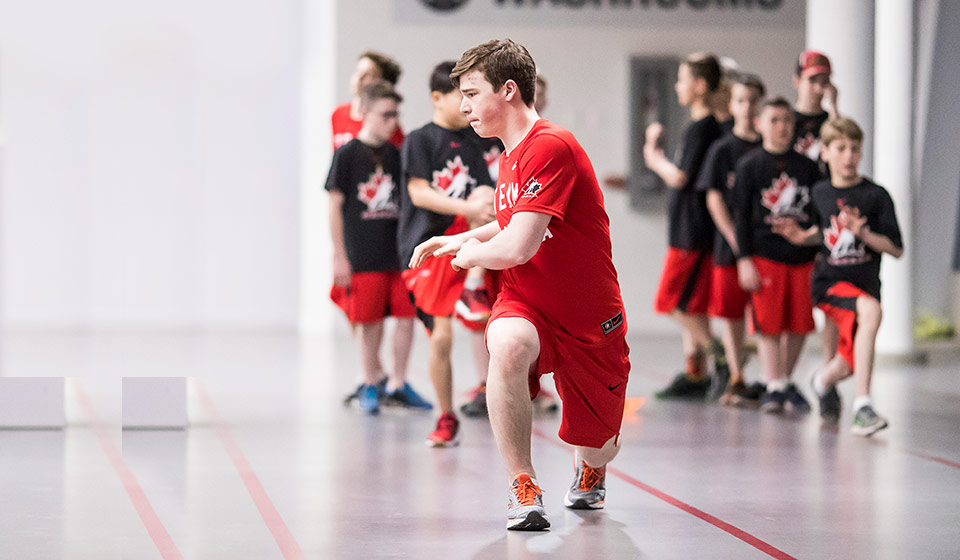
Hockey is a sport that demands a unique combination of skills, strength, and agility. While on-ice practice is crucial for developing these attributes, off-ice hockey skill training plays a pivotal role in enhancing a player’s performance. This type of training not only helps in refining technical skills but also builds endurance and resilience, enabling players to excel during crucial moments of the game. Integrating off-ice training into a regular routine can significantly advance a player?s game, paving the way for success on the ice.
Understanding the Importance of Off-Ice Training
Off-ice training is essential for hockey players of all levels. It helps in developing physical attributes that are critical for the game, such as:
- Strength and Conditioning: Building muscle strength to improve power and endurance.
- Agility and Flexibility: Enhancing movement efficiency and reducing injury risk.
- Speed and Quickness: Increasing the ability to make fast, explosive movements.
- Balance and Coordination: Crucial for maintaining control during high-speed plays.
Core Components of Effective Off-Ice Training
Integrating various exercises into an off-ice hockey skill training regimen can amplify a player’s abilities. Here are key components to focus on:
Strength and Conditioning
Strength exercises are vital for hockey players, helping to improve shot power and body-checking ability. Focus on:
- Weight Training: Incorporate squats, deadlifts, and bench presses to enhance overall body strength.
- Core Exercises: Planks, Russian twists, and medicine ball workouts to build a strong core, essential for stability and power.
Agility Drills
Agility is key to maneuvering on the ice. Incorporate drills such as:
- Ladder Drills: Improve foot speed and coordination.
- Cone Drills: Enhance quick direction changes and lateral movement.
Endurance Training
Endurance allows players to sustain high levels of activity throughout the game. Effective methods include:
- Interval Running: Short bursts of sprinting alternated with periods of rest to boost cardiovascular fitness.
- Circuit Training: A combination of high-intensity exercises with minimal rest periods to build endurance.
The Role of Nutrition and Recovery
In addition to physical training, nutrition and recovery are critical. Proper nutrition fuels the body for intense workouts, while recovery helps prevent injuries and maintain peak performance. Key points include:
- Balanced Diet: Ensure a diet rich in proteins, carbohydrates, and healthy fats.
- Hydration: Maintain optimal hydration levels before, during, and after training.
- Rest and Sleep: Adequate sleep and rest days are crucial for muscle recovery and growth.
Conclusion
Elevating your hockey game requires a commitment to comprehensive off-ice training. By focusing on strength, agility, and endurance, while also prioritizing nutrition and recovery, players can reach new heights in their performance. As the game evolves, so too should training strategies, ensuring that players remain competitive and ready for any challenge on the ice.
