
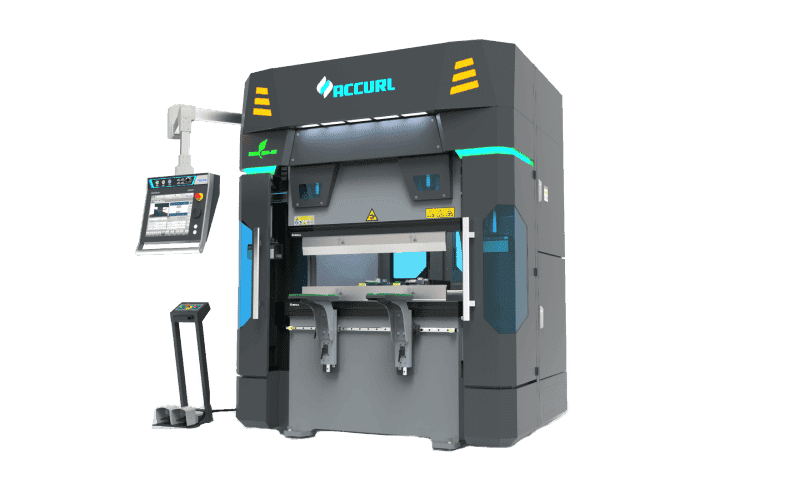
In the realm of metal fabrication, the choice of machinery can significantly impact the quality and efficiency of production. Among the essential equipment, a small press brake stands out for its versatility and precision. While choosing a press brake, especially for smaller operations or workshops, it?s crucial to consider various features that align with your specific needs and capabilities. This article provides a comprehensive guide to the essential features that should be prioritized when selecting a small press brake to ensure optimal performance and return on investment.
Precision and Accuracy
Precision is a fundamental aspect of any press brake. For small-scale operations, even minor errors can lead to significant material wastage and increased costs. Key features to consider include:
- Backgauge System: An advanced backgauge system allows for precise and repeatable positioning of the metal sheet, reducing errors.
- CNC Control: A CNC (computer numerical control) system enhances precision by allowing programmable control over the bending process.
- Hydraulic or Electric Actuation: Consider hydraulic or electric systems that provide consistent pressure and precision in bending tasks.
Flexibility and Versatility
Flexibility in a press brake is crucial to accommodate a variety of projects. When assessing a small press brake, ensure it can handle diverse tasks by considering the following:
- Adjustable Bending Angles: The ability to easily adjust bending angles can accommodate various projects and reduce setup time.
- Tooling Options: Availability of a wide range of tooling options allows for versatile operations and the ability to tackle complex bends.
Capacity and Size
The capacity of a press brake is directly linked to the size and type of materials it can handle. Consider the following factors:
- Tonnage Capacity: Ensure the tonnage capacity is suitable for the thickness and type of materials that will be processed.
- Bed Length: The bed length should be adequate to handle the maximum length of material without requiring multiple passes.
Ease of Use and Automation
Modern manufacturing environments demand equipment that is user-friendly and capable of integrating with automated processes. Features to facilitate ease of use include:
- User-Friendly Interface: Intuitive interfaces reduce training time and minimize the risk of operator error.
- Automated Features: Look for options such as automatic tool change and material handling systems to enhance productivity.
Durability and Maintenance
Investing in a durable press brake ensures longevity and consistent performance. Consider the following:
- Build Quality: High-quality materials and construction methods contribute to the durability and reliability of the machine.
- Ease of Maintenance: Machines designed with easily accessible parts and straightforward maintenance protocols can reduce downtime.
Cost and Value
While initial investment is a significant factor, it is essential to consider the long-term value and potential return on investment. Evaluate:
- Energy Efficiency: Modern best press brake machine models often feature energy-efficient designs that can lower operational costs.
- Warranty and Support: Comprehensive warranty and after-sales support can significantly enhance the value of the press brake machine for sale.
Choosing the right small press brake involves careful evaluation of various features to ensure that the machine meets the specific demands of the operation. By focusing on precision, flexibility, ease of use, durability, and value, businesses can optimize their metal fabrication processes and achieve superior results.
