
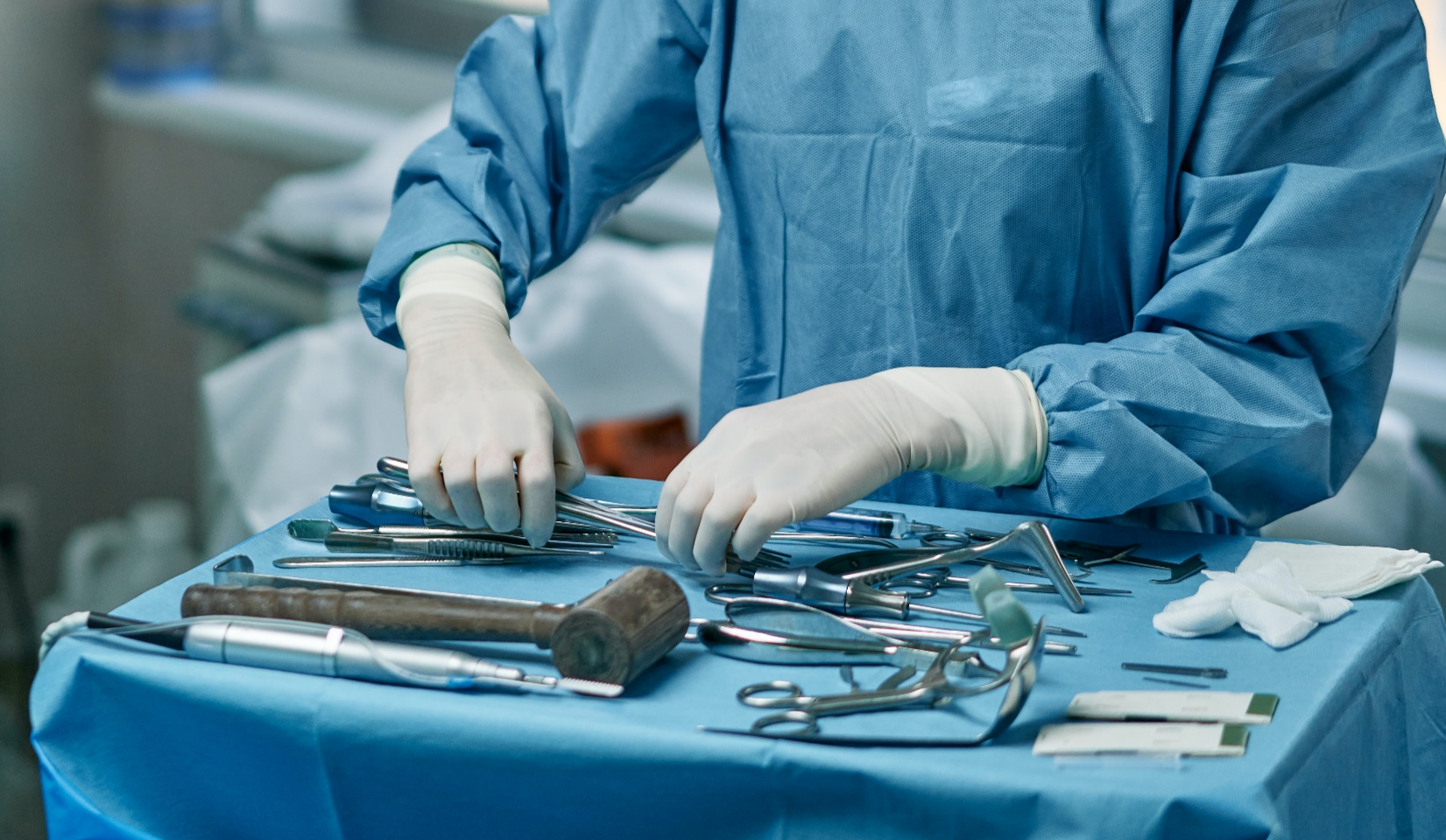
The realm of surgery demands precision, expertise, and the right equipment to ensure successful outcomes and patient safety. Essential surgical equipment forms the backbone of any surgical procedure, whether it is a routine operation or a complex intervention. This article delves into the key types of surgical tools and their significance in the operating room, offering a comprehensive overview that highlights the importance of each piece in contributing to the overall success of surgical procedures.
Categories of Surgical Instruments
Cutting Instruments
Cutting instruments are pivotal in every surgery, providing the necessary precision to make incisions and excise tissues. These instruments include:
- Scalpels: Known for their sharp blades, scalpels are used for making incisions with accuracy.
- Scissors: Surgical scissors come in various shapes for cutting tissues, sutures, and other materials.
- Bone cutters: Especially used in orthopedic surgeries to cut through bone tissue.
Clamping and Occluding Instruments
These instruments are critical for controlling blood flow and securing tissues during surgery:
- Hemostats: Used to clamp blood vessels to control bleeding.
- Forceps: Available in different types, such as tissue forceps and dressing forceps, for holding and manipulating tissues.
- Clamps: Essential for occluding blood vessels or intestinal segments during procedures.
Specialized Surgical Equipment
Retractors
Retractors are key components in the surgical toolkit, designed to hold back tissues and keep the surgical site open. They come in various forms, such as self-retaining and hand-held retractors, allowing surgeons to access the operative field with ease and precision.
Suction Devices
Effective suction devices are indispensable in maintaining a clear surgical field by removing blood, fluids, and debris. They ensure that surgeons have unobstructed visibility during operations, which is crucial for maintaining accuracy and safety.
Advanced Surgical Technology
With the advancement of technology, the landscape of medical surgical equipment has significantly evolved. Some of the cutting-edge equipment includes:
- Robotic Surgery Systems: These systems offer enhanced precision, flexibility, and control, revolutionizing minimally invasive procedures.
- Laser Surgery Tools: Utilized for cutting or coagulating tissues with extreme precision.
- Endoscopic Devices: Allow surgeons to view and operate on internal organs through small incisions.
Importance of Quality and Reliability
The effectiveness of surgical procedures heavily relies on the quality and reliability of the equipment used. Collaborations with surgical equipment suppliers and surgical equipment distributors ensure that surgical centers have access to the latest and most reliable instruments. This partnership is fundamental in maintaining high standards of care and achieving optimal patient outcomes.
Conclusion
The selection of appropriate surgery equipments is a critical component in the preparation and execution of successful surgical interventions. Each piece of equipment, from basic instruments to advanced technological systems, plays a vital role in facilitating precision, minimizing risks, and improving overall surgical efficacy. By continuously upgrading and learning about the latest advancements, surgical teams can ensure that they are equipped with the best tools to meet the ever-evolving demands of modern healthcare.
