
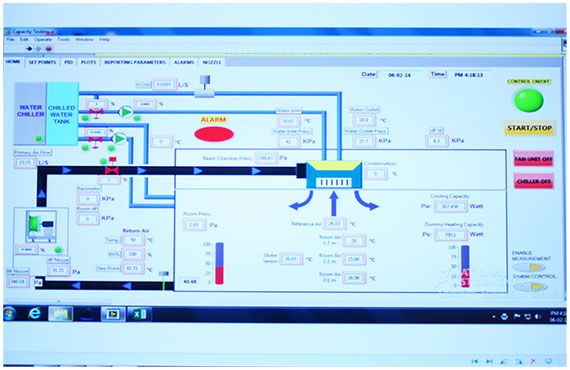
In regions with hot and dry climates, finding cost-effective cooling solutions is a priority. Evaporative cooling systems, often referred to as swamp coolers, are gaining popularity as an efficient alternative to traditional air conditioning systems. These systems harness the natural process of water evaporation to cool the air, providing a refreshing breeze without the high energy costs associated with conventional air conditioning. This article explores the benefits, working principles, and considerations for implementing evaporative cooling systems.
How Evaporative Cooling Systems Work
Evaporative cooling systems operate on a simple yet effective principle: when water evaporates, it absorbs heat from the surrounding air, thereby reducing the air temperature. This process is facilitated by drawing hot outdoor air through water-saturated pads. As the air passes through these pads, it becomes cooler and more humid, which is then circulated throughout the space.
Key Components
- Water Reservoir: Stores the water used for evaporation.
- Pump: Circulates water over the cooling pads to keep them saturated.
- Cooling Pads: Usually made of cellulose or synthetic fiber, these pads facilitate the evaporation process.
- Fan: Draws air through the cooling pads and into the indoor space.
For a more in-depth understanding of how these systems function, read more about this topic.
Benefits of Evaporative Cooling Systems
Evaporative cooling systems offer several advantages over traditional air conditioning systems, making them an attractive option for many households and businesses.
Energy Efficiency
- Uses significantly less electricity compared to conventional air conditioning systems.
- Reduces carbon footprint due to lower energy consumption.
Learn more in this detailed guide about energy efficiency and environmental benefits.
Cost-Effectiveness
- Lower initial installation costs compared to central air conditioning systems.
- Reduced operating and maintenance costs.
Improved Air Quality
- Increases humidity, which can be beneficial in dry environments.
- Constant air circulation helps remove pollutants and stale air.
Considerations for Using Evaporative Cooling Systems
Despite their advantages, there are key considerations to keep in mind when opting for evaporative cooling systems.
Climate Suitability
Evaporative cooling systems are most effective in hot, dry climates. In areas with high humidity, the efficiency of these systems decreases as the air cannot absorb much more moisture. Explore further insights here to determine if your region is suitable for such systems.
Maintenance Requirements
- Regular cleaning and replacement of cooling pads to maintain efficiency.
- Periodic inspection of water reservoirs and pumps to prevent scaling and mineral buildup.
Find additional information here regarding maintenance practices.
Conclusion
Evaporative cooling systems present a viable and cost-effective alternative to traditional air conditioning in suitable climates. Their simplicity, energy efficiency, and low operational costs make them a popular choice for environmentally conscious consumers. However, understanding the climate suitability and maintenance needs is crucial when considering installation. By evaluating these factors, one can make an informed decision to enjoy the benefits of evaporative cooling systems effectively.
