
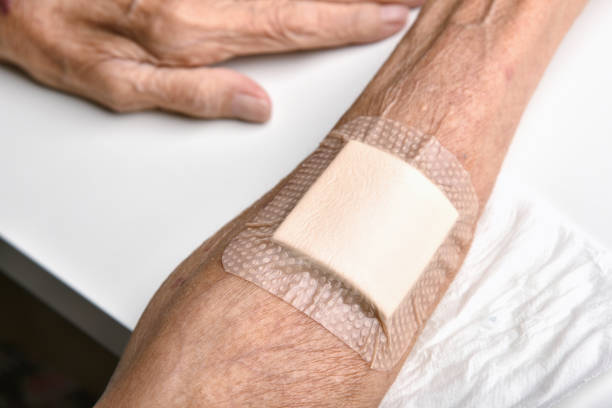
Surgical tape plays a crucial role in effective wound management. Used commonly in medical settings, these tapes ensure that dressings remain securely in place, protect wounds from contamination, and facilitate healing. Understanding the different types of surgical tapes and their applications can significantly enhance wound care practices. This article provides comprehensive insights into the world of surgical tape, offering guidance on selection, application, and best practices for use.
Types of Surgical Tape
There is a diverse range of medical tapes available, each designed for specific uses and wound types. Selecting the right type of tape is essential for optimal wound care.
Cloth Surgical Tape
- Flexible and durable, ideal for long-term dressings.
- Allows the skin to breathe, reducing the risk of irritation.
- Commonly used in areas that require frequent movement.
Paper Surgical Tape
- Lightweight and hypoallergenic, suitable for sensitive skin.
- Easily tearable by hand, making application quick and simple.
- Best for lightweight dressings and frequent dressing changes.
Silicone Surgical Tape
- Gentle on the skin, reducing the risk of damage upon removal.
- Adheres securely but can be repositioned if needed.
- Ideal for patients with sensitive or fragile skin.
Transparent Surgical Tape
- Water-resistant and offers visibility of the wound site.
- Strong adhesion, suitable for securing heavy dressings.
- Used in situations where monitoring the wound is necessary without removing the tape.
Applications and Best Practices
The application of surgical tape requires careful consideration to ensure effective wound management. Here are some best practices:
- Clean and dry the skin before applying the tape to ensure maximum adhesion.
- Choose the appropriate tape type based on the skin condition and wound requirements.
- Apply the tape with minimal tension to avoid skin irritation.
- Ensure the edges of the tape are firmly pressed to prevent lifting.
- Regularly inspect the tape and replace it if it becomes loose or soiled.
Special Considerations
While medical tape for wounds is generally safe, some considerations are crucial for specific patient needs:
- For patients with allergies, opt for hypoallergenic options like medical surgical tape.
- In cases of fragile skin, such as in elderly patients, surgical medical tape with gentle adhesion should be considered.
- For wounds requiring frequent monitoring, transparent or repositionable tapes are recommended.
Conclusion
Selecting the right adhesive tape for skin is crucial for effective wound management. Understanding the characteristics of each type of wound care tape and following best application practices ensures optimal healing conditions. With advances in tape technology, there is a surgical tape for wounds suitable for every need, enhancing patient comfort and recovery outcomes.
