
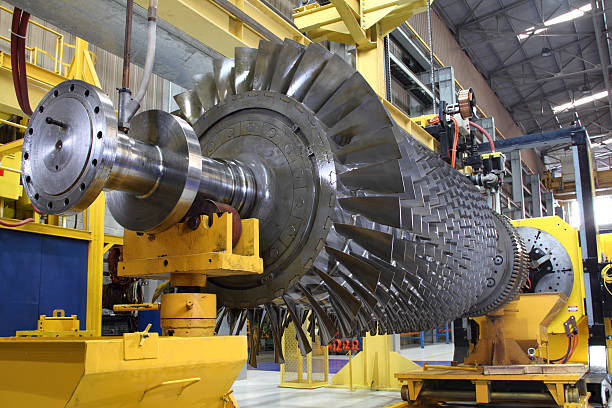
Combined cycle steam turbines are at the heart of efficient power generation systems, combining gas and steam turbines to maximize energy output. As such, maintaining these complex systems is crucial for ensuring reliability and prolonging their operational lifespan. Proper maintenance not only enhances performance but also prevents costly downtimes and repairs. This article provides expert advice on key aspects of combined cycle steam turbine maintenance, offering insights into best practices that can be applied to keep these advanced systems in optimal condition.
Understanding the Importance of Regular Maintenance
Regular maintenance of combined cycle steam turbines is essential to prevent unexpected failures and extend the life of the equipment. Key reasons for consistent maintenance include:
- Ensuring operational efficiency to maintain optimal energy output.
- Reducing the risk of unscheduled downtimes, which can be costly and disruptive.
- Identifying potential issues early to prevent significant damage.
- Complying with safety standards and regulations.
Key Components to Focus on During Maintenance
An effective combined cycle turbine maintenance strategy should focus on the following critical components:
1. Turbine Blades and Rotors
Turbine blades and rotors are subject to high stresses and temperatures. Regular inspection for wear and tear, cracks, and corrosion is vital. Ensuring proper alignment and balance can prevent excessive vibration and damage.
2. Bearings and Lubrication Systems
Bearings are crucial for smooth turbine operation. Regular checks and proper lubrication are necessary to prevent overheating and premature wear. Inspect lubrication systems for leaks and ensure they are functioning correctly.
3. Heat Recovery Steam Generators (HRSG)
HRSGs are integral to the performance of combined cycle plants. Regular inspection for fouling, corrosion, and thermal fatigue is essential. Cleaning and maintenance should be scheduled to ensure efficient heat exchange and reduce pressure loss.
Proactive Maintenance Strategies
Adopting a proactive maintenance approach can significantly enhance the reliability of combined cycle steam turbines. Consider the following strategies:
- Predictive Maintenance: Utilize advanced diagnostic tools and analytics to monitor equipment health and predict potential failures before they occur.
- Condition-Based Monitoring: Implement sensors and monitoring systems to track real-time performance metrics and schedule maintenance based on actual equipment condition rather than a fixed schedule.
- Regular Inspections: Conduct routine visual inspections and detailed assessments to identify wear and address issues before they escalate.
Choosing the Right Service Provider
Selecting a competent service provider for combined cycle steam turbine repair is crucial. Look for providers with:
- Proven expertise and experience in maintaining complex turbine systems.
- Access to advanced diagnostic tools and technologies.
- A strong track record of safety and reliability.
- Flexible service options tailored to specific needs and schedules.
Conclusion
Effective maintenance of combined cycle steam turbines is a multi-faceted process that requires attention to detail and proactive strategies. By focusing on key components, adopting modern maintenance techniques, and partnering with experienced service providers, facilities can ensure their turbines operate efficiently and reliably. The insights provided in this article aim to guide professionals in optimizing their combined cycle steam turbine maintenance efforts, ultimately leading to enhanced performance and longevity of these vital energy systems.
