
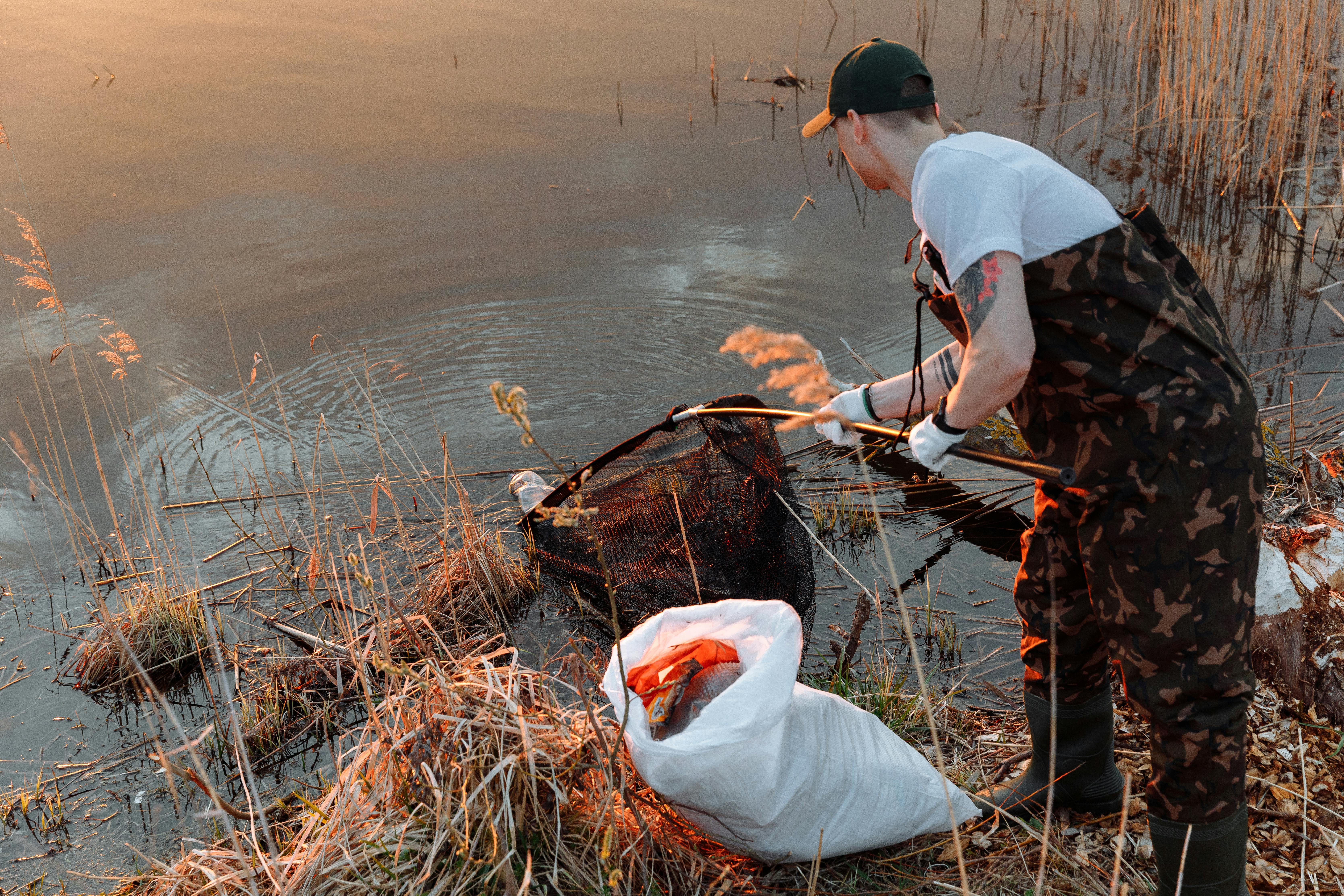
Dealing with wildlife intrusions can be both challenging and distressing. Whether it’s raccoons rummaging through trash, bats roosting in the attic, or squirrels causing havoc, finding effective solutions is crucial. Professional wildlife removal services offer specialized expertise to manage these situations safely and humanely. Understanding the importance of these services and how they operate can help in making informed decisions when faced with wildlife issues.
The Importance of Professional Wildlife Removal
Wildlife removal is not merely about getting rid of unwanted animals; it’s about managing the delicate balance between human activities and wildlife habitats. Professional services ensure:
- Safety: Experts use methods that prevent harm to both people and animals.
- Expertise: Training and experience ensure efficient handling of various wildlife species.
- Humane Techniques: Prioritizing animal welfare by using non-lethal methods.
- Compliance: Adhering to local wildlife laws and regulations.
For those looking to understand the strategies involved, discover expert strategies here.
Common Wildlife Intruders and Their Impact
Raccoons
Raccoons are notorious for their resourcefulness and dexterity. They can cause significant damage to property, especially when seeking shelter or food. Effective management involves sealing entry points and removing attractants.
Bats
Bats can pose health risks due to the potential transmission of diseases like rabies. Their guano also presents a hazard. Solutions include exclusion techniques that allow bats to exit a space without re-entry. Learn about our tailored solutions for dealing with bat infestations.
Squirrels
Squirrels may seem harmless, but they can cause structural damage by gnawing on wood and electrical wiring. Professionals use trapping and exclusion methods to relocate squirrels safely.
Steps in Professional Wildlife Removal
Engaging with a professional wildlife removal service typically involves several steps:
- Inspection: Identifying the type of wildlife and assessing the extent of the problem.
- Plan Development: Creating a customized strategy based on the specific situation.
- Implementation: Executing the removal plan using appropriate methods.
- Follow-up: Ensuring the problem is resolved and providing advice for future prevention.
To gain deeper insights into these processes, explore advanced guides and tips.
Preventive Measures and Long-term Solutions
Prevention is a critical component of wildlife control. Here are some strategies to minimize wildlife encounters:
- Secure trash containers with tight-fitting lids.
- Seal entry points in roofs, attics, and basements.
- Maintain landscaping to reduce hiding spots near buildings.
- Install barriers or fences where necessary.
For those interested in comprehensive approaches, find out more about this approach.
Conclusion
Professional wildlife removal services offer essential support in managing wildlife conflicts effectively and humanely. By understanding the role of experts and the strategies they employ, individuals can make informed decisions to protect their property and maintain the delicate balance with local wildlife populations. For more information and resources on dealing with wildlife intrusions, visit the wildlife control website.
