
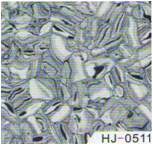
In industrial environments, where precision, safety, and efficiency are paramount, selecting the right flooring is critical. One such flooring innovation that has gained prominence is Electrostatic Discharge (ESD) flooring. ESD floors are designed to prevent the build-up of static electricity, a common issue in industries such as electronics manufacturing, pharmaceuticals, and chemical processing. By controlling static discharge, ESD floors contribute to enhanced operational efficiency and safety, making them an ideal choice for industrial settings.
Understanding Electrostatic Discharge (ESD)
Electrostatic discharge refers to the sudden flow of electricity between two electrically charged objects. In industrial settings, static electricity can cause significant disruptions and damage sensitive equipment. ESD flooring plays a crucial role in mitigating the risks associated with static discharge by:
- Dissipating static charges safely to the ground, preventing potential sparks.
- Reducing the likelihood of damage to sensitive electronic components.
- Maintaining a controlled environment to ensure the safety of employees and equipment.
Benefits of ESD Floors
The installation of ESD floors in industrial settings offers several key advantages:
- Enhanced Safety: By effectively managing static electricity, ESD floors help prevent electrical malfunctions and reduce the risk of fires or explosions, particularly in environments involving flammable substances.
- Protection of Sensitive Equipment: Static discharge can cause irreparable damage to electronic components. ESD flooring safeguards these components, thus prolonging their lifespan and reducing maintenance costs.
- Improved Operational Efficiency: With reduced equipment downtime and fewer malfunctions due to static interference, operations run smoothly and efficiently.
- Compliance with Industry Standards: Many industries have strict regulations regarding static control. Implementing ESD flooring ensures compliance with these standards.
For more on how ESD flooring can enhance safety and efficiency in industrial settings, discover expert strategies here.
Types of ESD Flooring Solutions
ESD flooring comes in various forms, each suited to different industrial needs. Key options include:
Conductive and Dissipative Flooring
Conductive floors have low electrical resistance, allowing static charges to flow easily to the ground. Dissipative floors, on the other hand, moderate the flow of static charges. The choice between the two depends on the specific requirements of the industrial environment.
For more detailed insights into selecting the right type of ESD flooring, learn about tailored solutions.
Vinyl ESD Flooring
Vinyl ESD flooring is a popular choice due to its durability, ease of maintenance, and aesthetic appeal. It is particularly suitable for areas with high foot traffic and where hygiene is a priority.
To explore more advanced guides and tips on vinyl ESD flooring, explore advanced guides and tips.
Conclusion
Incorporating ESD flooring into industrial settings is an investment in safety, efficiency, and compliance. Understanding the specific needs of the industrial environment allows for the selection of the most suitable ESD flooring type. By addressing static discharge concerns, these flooring solutions play a pivotal role in protecting both personnel and equipment. Find out more about this approach to ensure optimal results in diverse industrial scenarios.
