
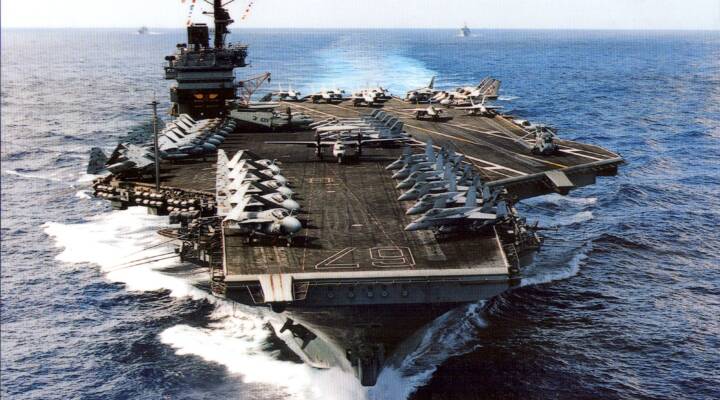
With the increasing demands for efficiency and performance in marine operations, engine ventilation systems have become a crucial component for vessels of all sizes. These systems are designed not only to cool the engine but also to maintain a safe and comfortable environment for crew members. This article explores the multifaceted benefits of engine ventilation systems, highlighting their significance in the maritime industry.
Understanding Engine Ventilation Systems
Engine ventilation systems are vital for ensuring optimal performance and safety within marine vessels. They facilitate the circulation of air, which is essential for cooling engines and other machinery. Without adequate ventilation, engines can overheat, leading to potential breakdowns and costly repairs. Moreover, these systems help to expel harmful fumes and gases, contributing to a healthier onboard environment.
Components of a Typical Ventilation System
- Intake Vents: Allow fresh air to enter the engine room, ensuring a continuous supply of oxygen for combustion.
- Exhaust Fans: Remove hot air and fumes, preventing heat accumulation and ensuring a safe working environment.
- Air Ducts: Facilitate the distribution of air throughout the engine room, maintaining a balanced airflow.
- Control Systems: Manage the operation of the ventilation system, optimizing efficiency and response to varying conditions.
Key Benefits of Engine Ventilation Systems
Enhanced Engine Performance
Proper ventilation is paramount for maintaining engine efficiency. By supplying fresh air and extracting hot air and fumes, engine ventilation systems prevent overheating, which can lead to performance issues and increased fuel consumption. A well-ventilated engine room ensures that engines run at optimal temperatures, maximizing their lifespan and operational efficiency.
Improved Safety and Comfort
Ventilation systems play a critical role in maintaining safety aboard marine vessels. By removing hazardous fumes and maintaining a stable temperature, these systems create a safer environment for crew members. Additionally, the reduction in heat and noise contributes to a more comfortable working atmosphere, enhancing crew morale and productivity.
Environmental and Cost Benefits
Efficient marine ventilation systems can also have significant environmental benefits. By ensuring engines operate at peak efficiency, fuel consumption and emissions are reduced, contributing to lower environmental impact. Moreover, by preventing engine overheating and breakdowns, operators can avoid costly repairs and downtime, resulting in substantial cost savings over time.
Choosing the Right Ventilation System
Selecting the appropriate ventilation system manufacturers for a vessel involves several considerations. Factors such as the size of the engine room, the type of engines in use, and specific operational requirements all play a role in determining the best system. Working with experienced professionals can ensure that the system is tailored to meet the unique needs of each vessel.
Considerations for Installation and Maintenance
- System Design: Customizing the design to fit the layout of the engine room is vital for optimal performance.
- Regular Maintenance: Routine checks and maintenance of components such as marine ventilation fans and ducts are essential for ensuring longevity and efficiency.
- Monitoring Systems: Implementing ventilation control systems can provide real-time data and alerts, facilitating proactive maintenance and adjustments.
The Future of Engine Ventilation Systems
Advancements in technology continue to drive innovations in marine engine room ventilation. From smarter control systems to more efficient fan designs, the future of these systems promises even greater improvements in performance and sustainability. As maritime regulations become increasingly stringent, the role of advanced boat engine ventilation in achieving compliance and operational excellence will be more critical than ever.
In conclusion, investing in high-quality boat ventilation systems is essential for any maritime operation seeking to enhance performance, safety, and sustainability. By understanding the benefits and opportunities these systems offer, ship operators can make informed decisions that positively impact their vessels and crews.
