
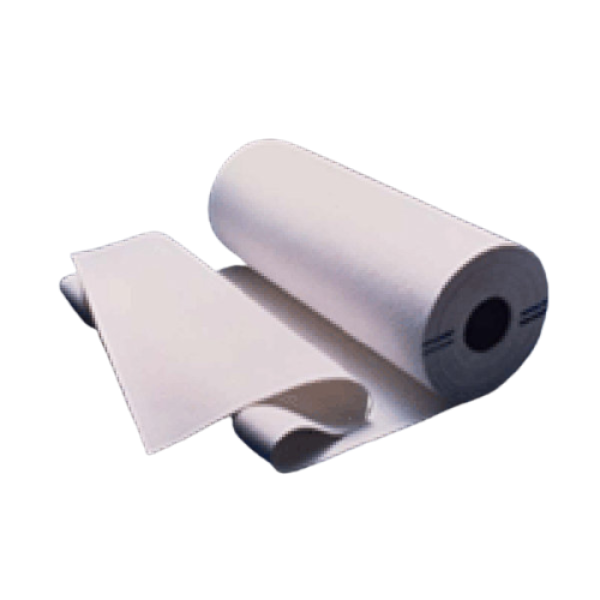
Kiln paper is an essential material for artists and crafters, particularly those involved in glass fusing, ceramics, and pottery. It acts as a protective barrier between the artwork and the kiln shelf, preventing the art piece from sticking and ensuring a clean, smooth finish. Understanding the nuances of kiln paper can significantly enhance the quality of your creations and streamline the crafting process. This comprehensive overview will guide you through the various facets of kiln paper, helping you make informed decisions for your artistic endeavors.
What is Kiln Paper?
Kiln paper, sometimes referred to as fiber paper or ceramic fiber paper, is a heat-resistant material used in kilns during the firing process. It is typically composed of alumina silicate fibers, which provide excellent thermal insulation and durability. The primary function of kiln paper is to prevent glass or clay from sticking to the kiln shelf, ensuring the integrity of the artwork during firing.
Key Characteristics
- Heat Resistance: Withstands temperatures up to 2,300?F (1,260?C).
- Non-Stick Surface: Prevents artwork from adhering to kiln shelves.
- Easy Removal: Simplifies the post-firing cleanup process.
- Thin and Flexible: Allows for easy cutting and shaping to fit any kiln shelf size.
Types of Kiln Paper
There are various types of kiln paper available, each suited for different applications. Selecting the right type can impact the outcome of your project. Discover expert strategies here to choose the best kiln paper for your needs.
Standard Kiln Paper
Ideal for general use, standard kiln paper is suitable for most glass fusing and ceramic projects. It provides a reliable non-stick surface and is typically available in various thicknesses to accommodate different firing requirements.
Premium Kiln Paper
Designed for high-end projects, premium kiln paper offers superior performance with enhanced durability and a smoother surface. It is less prone to cracking and can be used multiple times, making it an economical choice for frequent kiln users.
How to Use Kiln Paper
Proper application of kiln paper is crucial for achieving the best results. The process involves several key steps to ensure effective use and optimal outcomes.
Step-by-Step Guide
- Measure and cut the kiln paper to fit the dimensions of your kiln shelf.
- Place the kiln paper on the kiln shelf, ensuring it is flat and free of wrinkles.
- Position your artwork on top of the kiln paper, leaving adequate space between pieces.
- After firing, allow the kiln to cool completely before removing your artwork.
- Discard used kiln paper and clean any residue from the kiln shelf as needed.
For more detailed instructions and troubleshooting tips, learn about our tailored solutions that can enhance your kiln firing process.
Benefits of Using Kiln Paper
Incorporating kiln paper into your artistic practices offers numerous advantages that enhance both the process and the final product.
- Prevents Sticking: Ensures a smooth, professional finish on glass and ceramic pieces.
- Improves Efficiency: Reduces the need for extensive post-firing cleaning and repairs.
- Versatile Applications: Suitable for a wide range of materials and firing techniques.
- Cost-Effective: Minimizes material waste and extends the lifespan of kiln shelves.
To delve deeper into these benefits and optimize your use of kiln paper, explore advanced guides and tips.
Conclusion
Kiln paper is a fundamental component in the toolkit of any artist or crafter working with kilns. Its ability to protect, insulate, and enhance the firing process makes it indispensable for achieving high-quality results. By understanding the different types, applications, and benefits of kiln paper, you can elevate your craft and produce stunning, professional-grade artwork. For further insights and resources, find out more about this approach to mastering kiln paper in your artistic journey.
