
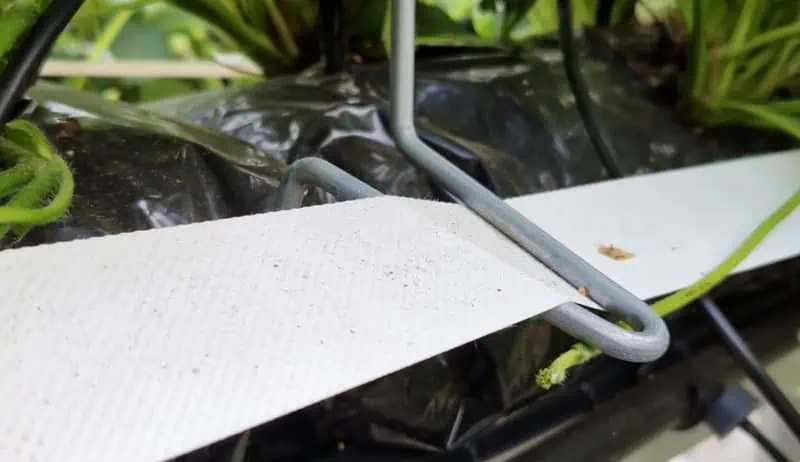
Implementing efficient irrigation systems is crucial for maximizing farm productivity and conserving water resources. As climate conditions and water availability vary, selecting the right irrigation solution tailored to specific farm needs can significantly impact crop yield and sustainability. This article explores the top ten irrigation system solutions for farms, providing insights into their benefits and applications.
1. Drip Irrigation
Drip irrigation is a highly efficient system that delivers water directly to the plant’s root zone, minimizing evaporation and runoff. This method is ideal for conserving water and ensuring consistent moisture levels in the soil.
- Reduces water wastage significantly.
- Promotes healthy plant growth by providing targeted hydration.
- Adaptable to various terrains and crop types.
2. Sprinkler Systems
Sprinkler systems simulate natural rainfall, offering uniform water distribution across large areas. They are versatile and can be adjusted to meet specific crop water requirements.
- Suitable for a wide range of crops.
- Can be automated for efficient water management.
- Reduces labor costs associated with manual irrigation.
Learn more in this detailed guide.
3. Center Pivot Irrigation
Center pivot systems are automated systems that rotate around a central pivot, watering crops in a circular pattern. They are ideal for large, flat fields.
- Efficient use of water and energy.
- Automates irrigation, reducing manual labor.
- Customizable to different crop heights and field sizes.
Explore further insights here.
4. Surface Irrigation
Surface irrigation involves distributing water over the soil surface by gravity. This traditional method remains popular due to its simplicity and low cost.
- Cost-effective setup and maintenance.
- Suitable for crops requiring consistent soil moisture.
- Minimal energy requirements.
Find additional information here.
5. Subsurface Drip Irrigation
Similar to drip irrigation, subsurface systems deliver water directly to the root zone but through buried pipelines. This method is particularly effective in arid regions.
- Reduces water evaporation and surface runoff.
- Decreases weed growth by keeping the soil surface dry.
- Increases water use efficiency.
6. Micro-Irrigation Systems
Micro-irrigation systems, including micro-sprinklers and micro-bubblers, provide precise water delivery to small areas, making them suitable for orchards and vineyards.
- Optimizes water usage by targeting specific plant areas.
- Reduces water and nutrient leaching.
- Can be integrated with nutrient delivery systems.
Learn more in this detailed guide.
7. Lateral Move Systems
Lateral move irrigation systems work similarly to center pivot systems but move laterally across rectangular fields, providing uniform coverage.
- Ideal for rectangular fields that center pivots cannot cover.
- Efficient water usage and distribution.
- Automated solutions available for reduced labor.
Explore further insights here.
8. Flood Irrigation
This age-old method involves flooding fields with water. While it is less efficient than modern systems, it remains widely used in certain regions due to its simplicity.
- Low initial setup costs.
- Suitable for specific crop types in flat terrains.
- Minimal technology required.
Find additional information here.
9. Automated Irrigation Systems
Automation in irrigation allows for precise control of water application, adapting to real-time soil moisture and weather conditions.
- Increases efficiency and reduces water waste.
- Remote monitoring and control capabilities.
- Integrates with weather forecasting systems.
10. Solar-Powered Irrigation
Solar-powered systems offer sustainable irrigation solutions by using renewable energy to pump water, reducing reliance on traditional power sources.
- Eco-friendly and cost-effective in the long run.
- Ideal for regions with abundant sunlight.
- Reduces carbon footprint and energy costs.
