
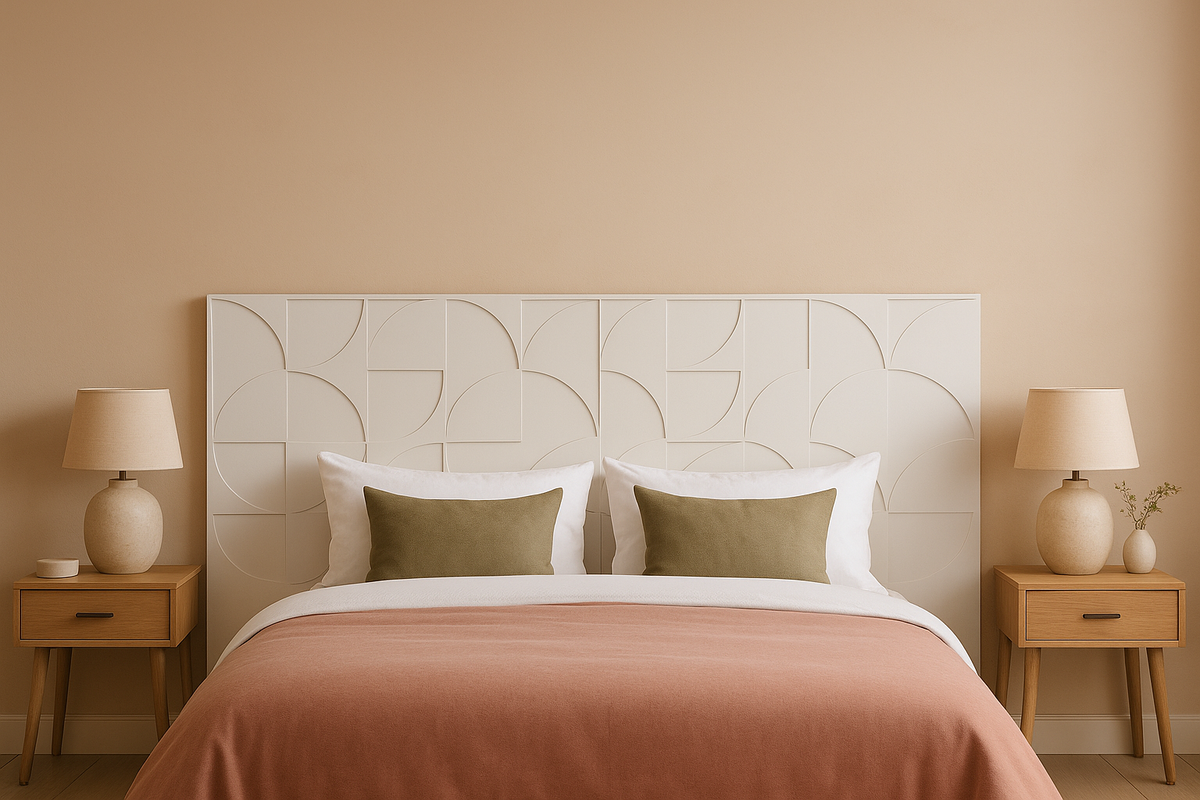
In recent years, decorative wall panelling has surged in popularity as a versatile solution for transforming spaces. From adding character and depth to enhancing the overall aesthetic appeal of a room, wall panels are no longer just a functional necessity but an integral part of interior design. Whether in residential settings, commercial spaces, or public buildings, the right wall panelling can significantly elevate the ambiance, providing both style and substance.
The Benefits of Decorative Wall Panelling
Decorative wall panelling offers a myriad of benefits that go beyond mere aesthetics. Here are some key advantages:
- Enhanced Aesthetic Appeal: Wall panels come in a variety of designs, textures, and materials, allowing for personalized and unique interiors.
- Durability and Longevity: Panels provide a protective layer to walls, reducing wear and tear and extending the lifespan of interior surfaces.
- Insulation Properties: Many wall panels offer thermal and acoustic insulation, contributing to energy efficiency and noise reduction.
- Easy Maintenance: Panels are often easier to clean and maintain compared to painted walls, making them ideal for high-traffic areas.
- Concealment of Imperfections: Wall panelling can hide surface imperfections, uneven walls, and wiring, providing a flawless finish.
Types of Decorative Wall Panelling
Wooden Wall Panelling
Wooden panels are timeless and classic, offering warmth and natural beauty. They are available in various finishes, from rustic to polished, catering to diverse design preferences. Wooden panelling is particularly effective in creating a cozy, inviting atmosphere.
Vinyl and MDF Panelling
Vinyl and Medium Density Fiberboard (MDF) panels are cost-effective alternatives that mimic the look of wood or stone. They offer flexibility in design and are often easier to install. Learn more in this detailed guide.
3D Wall Panels
For a modern and dynamic look, 3D wall panels add texture and depth to walls, creating a striking visual impact. These panels are ideal for feature walls and can be made from materials like gypsum, PVC, or even fabric-covered designs.
Considerations for Choosing Wall Panelling
Choosing the right type of wall panelling depends on several factors:
- Purpose of the Space: Consider the function of the room. For instance, acoustic panels might be suitable for soundproofing in home theaters or studios.
- Material Durability: Select materials that withstand the environmental conditions of the space, such as humidity levels in bathrooms or kitchens.
- Installation and Maintenance: Some panels are easier to install and maintain than others. Consider the skill level required for installation and the effort needed for upkeep.
- Budget: Costs can vary significantly based on the material and design. Explore further insights here.
Innovative Applications of Wall Panelling
Beyond traditional applications, wall panelling is being used innovatively:
- Ceiling Panelling: Using panels on ceilings can create a unique focal point and add architectural interest to a room.
- Outdoor Spaces: Certain materials are designed for outdoor use, providing an attractive and durable option for external walls or patios.
- Custom Designs: Advances in technology allow for custom designs that reflect personal style or branding in commercial settings. Find additional information here.
Conclusion
Decorative wall panelling offers a versatile solution for enhancing the aesthetic and functional aspects of any space. By carefully selecting the right materials and designs, it is possible to create environments that are not only visually appealing but also practical and durable. For those considering wall panelling, a wealth of options is available to suit every taste and requirement. Read more about this topic to discover the perfect panelling solution for your needs.
