
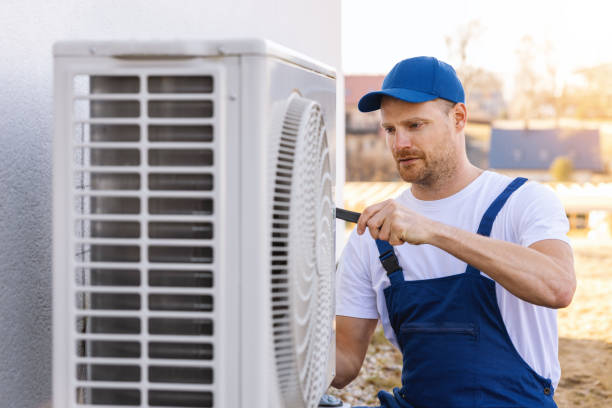
Heat pumps are a vital component of a home’s heating and cooling system, offering an efficient alternative to traditional HVAC systems. However, like any other mechanical device, they can encounter issues that affect their performance. Understanding common heat pump issues and learning how to troubleshoot them can help ensure the system runs effectively and efficiently. This guide offers a comprehensive DIY approach to tackling some common heat pump problems, allowing homeowners to address issues before they require professional intervention.
Understanding Common Heat Pump Problems
Before diving into troubleshooting, it’s essential to understand the typical issues that can arise with heat pumps. Some common problems include:
- Insufficient heating or cooling: This can be due to various factors, including incorrect thermostat settings, blocked airflow, or refrigerant leaks.
- Unusual noises: Rattling, buzzing, or grinding noises often indicate loose parts or debris caught within the unit.
- Frequent cycling: If the heat pump turns on and off frequently, it may be due to thermostat issues or a malfunctioning compressor.
- Frozen unit: Ice buildup on the heat pump can result from restricted airflow, low refrigerant levels, or a faulty defrost control.
Step-by-Step Troubleshooting Guide
Checking Thermostat Settings
One of the simplest yet often overlooked steps in troubleshooting is examining the thermostat:
- Ensure the thermostat is set to the correct mode”?either heating or cooling as appropriate.
- Verify that the temperature setting is accurate and higher or lower than the current room temperature, depending on the season.
If adjustments to the thermostat do not resolve the issue, it may require recalibration or replacement.
Inspecting Airflow and Filters
An obstructed airflow can significantly affect a heat pump’s efficiency:
- Check filters for dust and debris, and clean or replace them if necessary.
- Inspect vents and ensure they are open and unobstructed.
- Examine the outdoor unit to ensure it’s clear of leaves, dirt, and other debris.
Improving airflow can often resolve issues related to insufficient heating or cooling.
Diagnosing Refrigerant Leaks
Refrigerant leaks are a more complex issue but can often be identified by:
- Checking for ice buildup on the unit or unusual hissing noises.
- Observing a decrease in heating or cooling efficiency.
If a leak is suspected, it’s advisable to consult a professional for heat pump diagnostics and repair.
Addressing Unusual Noises
Strange noises from a heat pump can be a sign of mechanical issues:
- Inspect for loose screws or panels and tighten them if necessary.
- Ensure there is no debris within the fan or motor areas.
- Listen for grinding noises that may indicate a worn-out motor or bearings.
Persistent noises often require professional assessment to prevent further damage.
When to Call a Professional
While many heat pump issues can be addressed with DIY troubleshooting, some problems necessitate professional expertise:
- Significant refrigerant leaks or electrical issues.
- Compressor failures or complex mechanical problems.
- Persistent performance issues despite troubleshooting efforts.
In such cases, contacting a skilled technician for a thorough heat pump diagnostics can ensure the system is repaired correctly and safely.
By understanding common problems and implementing these troubleshooting steps, homeowners can maintain their heat pumps’ performance and extend their lifespan. Regular maintenance and timely interventions can ultimately save both time and money.
