
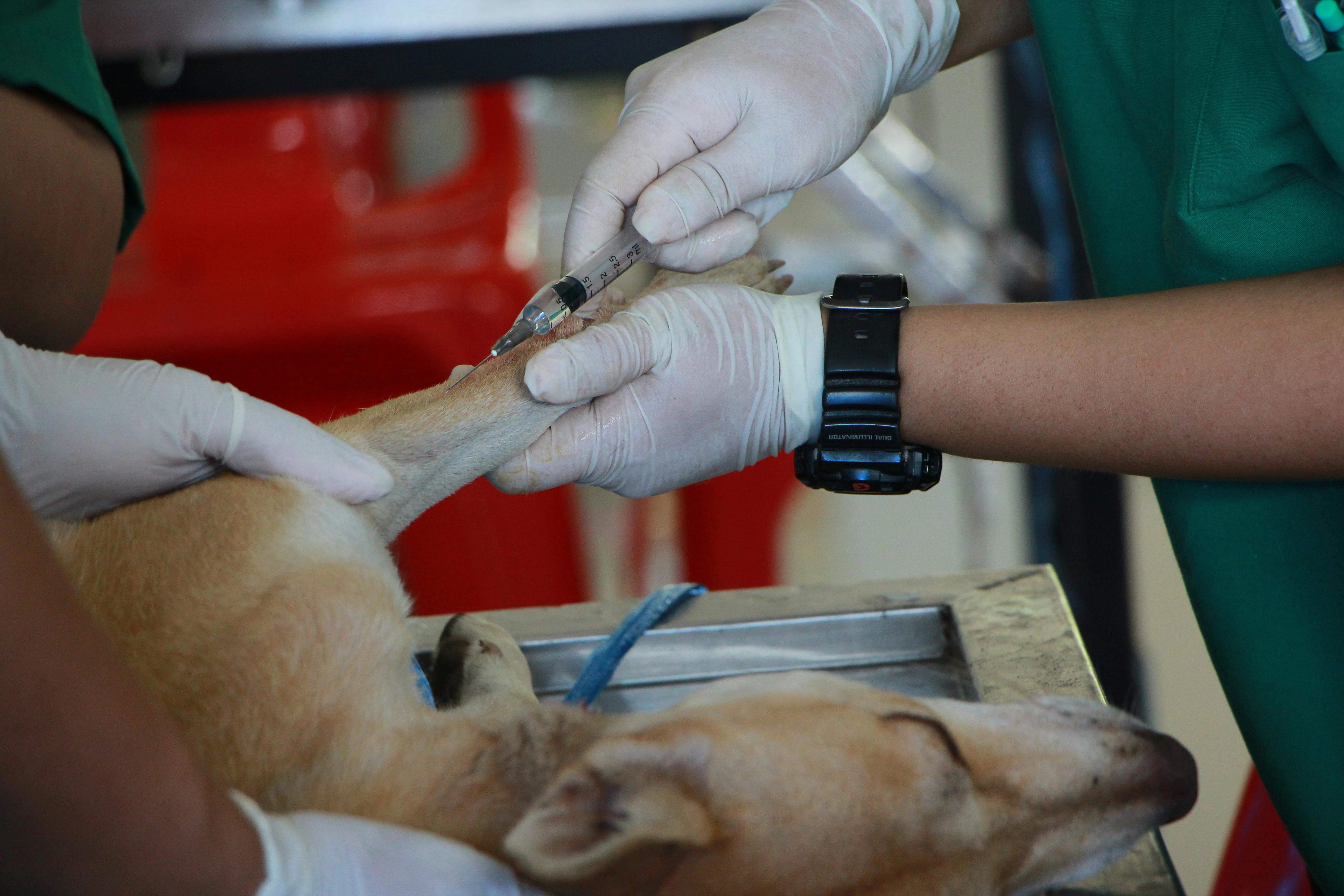
Visiting an animal emergency hospital can be a stressful and overwhelming experience for pet owners. Understanding what to expect can help ease the anxiety and ensure you are prepared to provide the best care for your furry family member. In the event of an emergency, knowing the typical process and services offered by an animal emergency hospital can be invaluable.
Initial Assessment
Upon arrival at the emergency vet clinic, an initial assessment is typically performed to determine the severity of the pet’s condition. This process, known as triage, prioritizes treatment for pets with the most critical needs. During triage, expect:
- A quick evaluation by a veterinary technician.
- Questions about the pet’s medical history and current symptoms.
- Immediate stabilization if necessary.
Diagnostic Procedures
After the initial assessment, further diagnostic procedures may be conducted to accurately identify the issue. Common diagnostic tools used in an emergency setting include:
- Blood tests to assess organ function and detect infections.
- Imaging techniques such as X-rays or ultrasounds to visualize internal structures.
- Advanced diagnostics like CT scans or MRIs if needed.
Treatment Options
The treatment plan will depend on the diagnosis and severity of the condition. Emergency hospitals are equipped to handle a wide range of medical situations, including:
- Surgical interventions for injuries or blockages.
- Medication administration for pain relief or infection control.
- Intravenous fluids to treat dehydration or shock.
Post-Treatment Care
Once the immediate crisis is addressed, the focus shifts to recovery and ongoing care. This may involve:
- Detailed instructions for home care and follow-up visits.
- Prescriptions for medications or special diets.
- Monitoring for any changes or complications.
Communication with Veterinary Staff
Clear communication with the veterinary staff is crucial. Be prepared to:
- Ask questions about the diagnosis and treatment options.
- Discuss any concerns or preferences regarding your pet’s care.
- Receive updates on your pet’s condition and prognosis.
Cost Considerations
Emergency veterinary care can be costly, and it’s important to be aware of the financial aspects. Considerations may include:
- Understanding the costs associated with diagnostic tests and treatments.
- Discussing payment options or financial assistance if needed.
- Considering pet insurance to help manage unexpected expenses.
Conclusion
Navigating an emergency situation with your pet can be daunting, but being informed about what to expect at an emergency vet clinic can make a significant difference. By understanding the procedures, communication expectations, and financial considerations, pet owners can be better prepared to support their pets through challenging times.
